Hurulu Eco Park: Sri Lanka Elephant Safari and Unethical Wildlife Tourism
We visited Sri Lanka in December 2025, just a few weeks after the devastating floods and landslides that hit the island in November. The country was still healing, and yet it welcomed us with its usual warmth. After a few days in Colombo, we moved to Sigiriya — a region wrapped in lush greenery, ancient history, and the kind of quiet that makes you feel small in the best possible way.
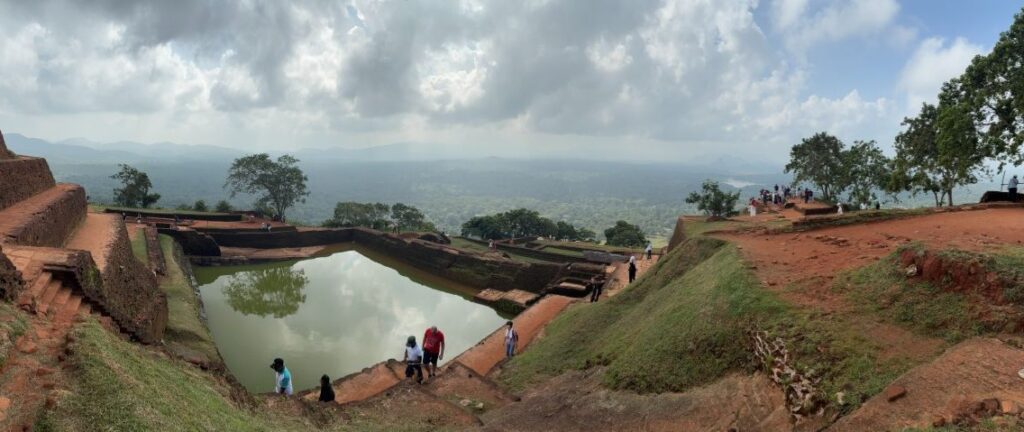
Sigiriya itself was a highlight of our trip — a place where history, spirituality, and nature blend into something almost surreal. Climbing the ancient Sigiriya Fortress felt like stepping into another era. Pidurangala Rock offered a quieter, more intimate view of the landscape, while the ruins of Polonnaruwa revealed the depth of Sri Lanka’s cultural heritage. Even the simple cooking class in a nearby village felt meaningful, rooted in community and tradition. All of these experiences showed us the best of Sri Lanka: authentic, respectful, and deeply connected to the land.
As an animal lover and activist, I was determined to avoid the typical elephant attractions. Before arriving, I had already read extensively about the darker side of elephant tourism. Many so‑called “sanctuaries” or “orphanages” present themselves as rescue centers, but behind the marketing lies a very different reality. Elephants are often kept in chains, forced to perform, or made to interact with tourists for photos and bathing sessions. These activities may look harmless, but they rely on domination, stress, and training methods that break the animal’s spirit. The word “sanctuary” is used loosely, and without regulation, almost any facility can claim to be ethical while exploiting elephants for profit.
The problem is that most tourists genuinely love animals and don’t want to cause harm — and the industry knows it. That’s why many shelters use comforting language like “rescue,” “conservation,” or “ethical experience,” even when their practices contradict those values. Travelers see elephants up close, hear a touching story about their past, and assume they are helping. But true sanctuaries never allow riding, bathing, or close interaction, and they prioritize the animal’s needs over visitor entertainment. Without clear guidelines or government oversight, it becomes incredibly easy for well‑meaning visitors to support cruelty without realizing it. This is exactly why I avoided these places — and why the safari felt like such a betrayal of trust.
So when our guide suggested Hurulu Eco Park – Wild Elephant Safari, the name sounded reassuring. “Eco,” “wild,” “park” — all the right words. It felt like a safe compromise.
It wasn’t.
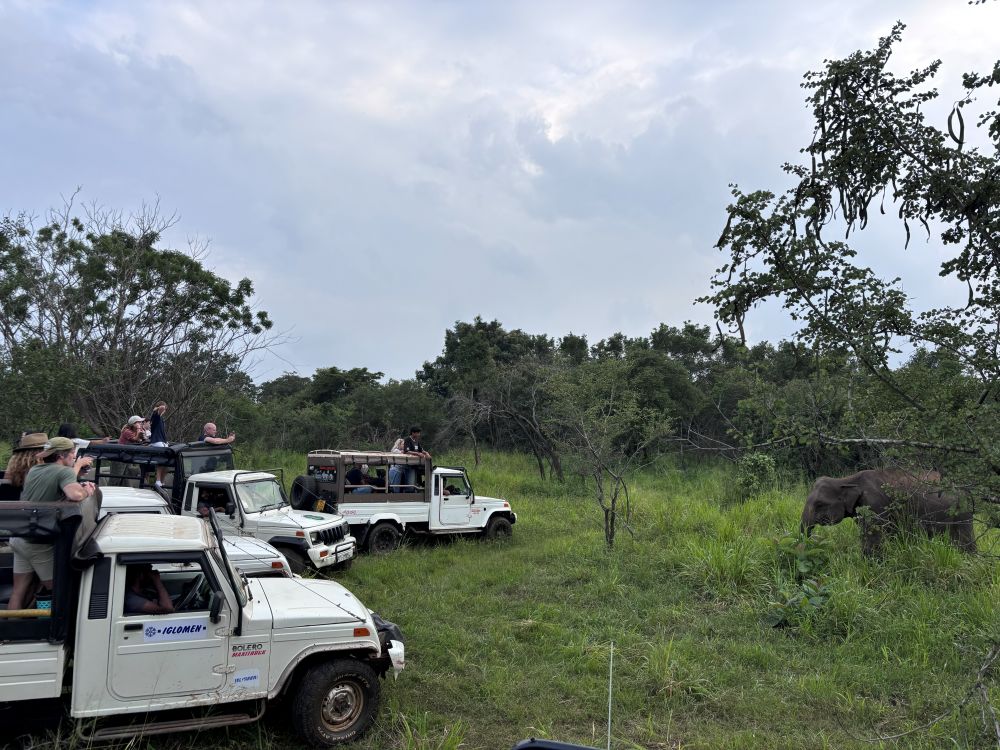
Thirty Jeeps lined up
Our jeep arrived in a condition that would never pass a basic safety check anywhere else. No seatbelts, a ripped canvas roof, and a structure that rattled with every bump. But I told myself: It’s fine, it’s part of the adventure.
That optimism lasted until we reached the entrance.
At least thirty jeeps were lined up, engines roaring, fumes filling the air. The noise alone felt like an assault on the forest. Nothing about the scene resembled an eco‑friendly experience. My stomach tightened — a quiet warning that something was off.
And it only got worse.
The “Eagle Show” in Sri Lanka Elephant Safari
After about fifteen minutes inside the park, our driver stopped abruptly. “Look, an eagle,” he said proudly.
The bird sat unusually low on a stick, barely above the ground. Something about it felt wrong — too still, too staged. Later, after speaking with other tourists, our suspicion was confirmed: the eagle was forced to sit there, placed by humans as a photo prop for passing jeeps.
A wild animal turned into a roadside attraction. It was the first moment I felt genuinely sick.
Elephants Under Pressure
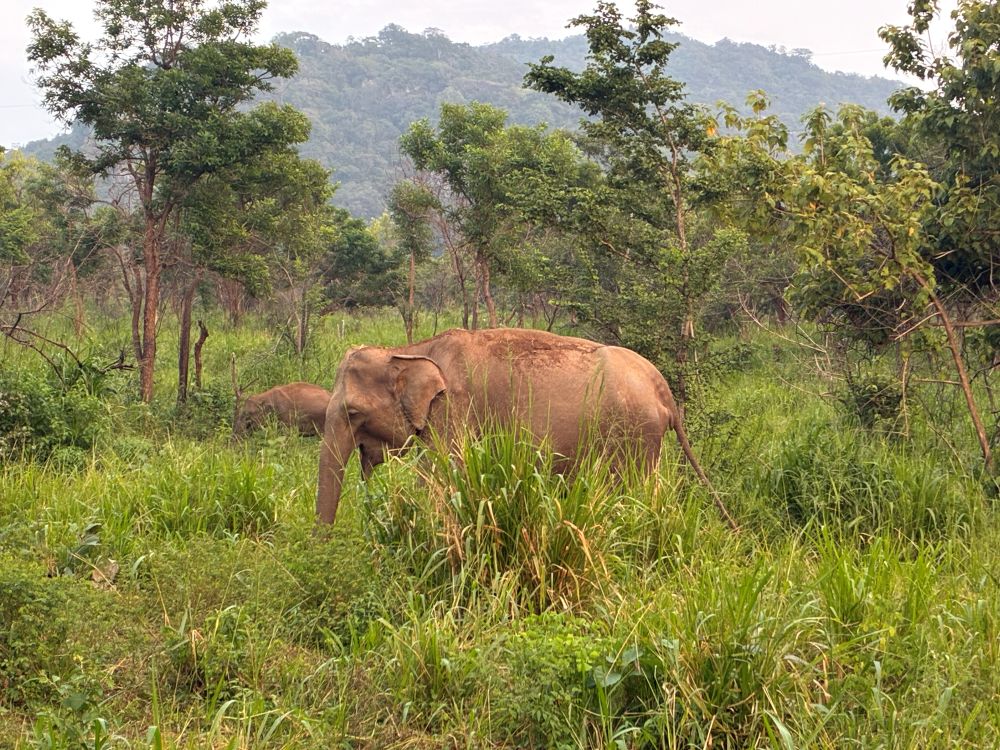
We continued deeper into the park, eventually spotting a group of elephants. They were magnificent — calm, gentle, tolerant in a way that felt almost undeserved. But the jeeps drove far too close, forming a semicircle around them. Engines revved, people leaned out with cameras, and the elephants simply endured.
The terrain grew rougher as drivers rushed to find “the next family,” as if wildlife were items on a checklist.
Then came the moment I will never forget.
A Baby Elephant in Distress
A small elephant became separated from its family as jeeps swarmed around them. The baby panicked, crying loudly, trying to find a way through the maze of vehicles. For twenty minutes, the little one was trapped — terrified, confused, and completely overwhelmed.
Tourists watched. Drivers turned off their engines instead of moving. No one acted.
Half the people in the jeeps looked uncomfortable, sensing the cruelty of the situation. The other half simply stared, as if this were part of the show.
I rarely raise my voice in public, but this time I snapped. “Move the f****** cars!” I shouted.
Only then did the jeeps shift enough for the baby to run back to its mother.
Relief washed over me — followed by anger, guilt, and disappointment. I had trusted the guide. I had paid for this. I had contributed to the suffering I came to Sri Lanka determined to avoid.
I told our driver to leave immediately.
What I Learned — And What You Should Know
Hurulu Eco Park is marketed as a wild, ethical alternative to elephant rides and fake sanctuaries. But the reality is different. The park is overcrowded, unregulated, and driven by profit rather than conservation. Elephants are stressed, harassed, and surrounded daily by dozens of jeeps that disrupt their natural behavior.
If you care about animals, please don’t pay for these safari trips. Your money doesn’t protect elephants — it pressures them.
Sri Lanka is a beautiful country with so much to offer, but its wildlife tourism desperately needs stronger regulation and a shift toward genuine conservation.
A More Ethical Way to Experience Sri Lanka
If you want to support animals on the island, consider:
- donating to reputable rescue organizations
- visiting ethical, non‑interactive conservation centers
- supporting local communities that protect wildlife habitats
- choosing experiences that prioritize observation from a distance
Sri Lanka’s nature is extraordinary. It deserves tourism that respects it.
Stay updated—have the newest posts emailed to you.