
My experience from a holiday in Japan: a critical perspective on animal rights and vegan food
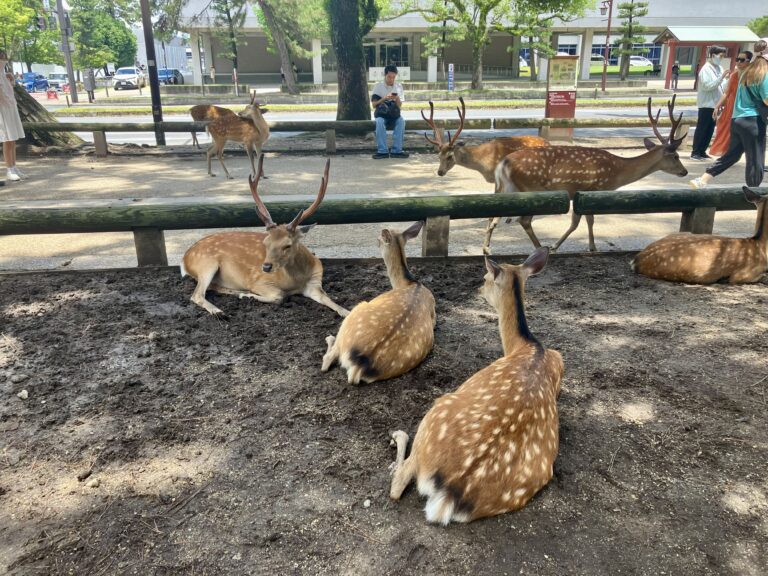
In June 2025, during my travels across Japan, I visited Tokyo, Lake Kawaguchiko, Kyoto, and Osaka. Although this time I didn’t volunteer at any dog shelters, I encountered many domestic and wild animals. Today I’ll focus only on the negative experiences and impressions from Tokyo, where tourists — especially on Takeshita Street — become part of the commercial exploitation of animals for entertainment.
Takeshita Street: Paradise for Tourists or Hell for Animals?
Takeshita Street in Harajuku has in recent years turned into a kind of “zoo street” with eight animal cafés. Visitors can pay to pet capybaras, miniature pigs, hedgehogs, owls, Samoyed dogs, and even ferrets. For tourists, it’s an entertaining experience, but the reality of these establishments is much darker.
Problematic Aspects of Animal Cafés
According to animal rights experts, these cafés primarily exploit animals. Scientists have identified 13 major ethical concerns, which can be grouped into three categories: animal abuse, health risks for people, and impacts on wildlife.
Malnutrition and starvation are among the most serious issues. A former employee revealed that animals’ food and water were deliberately restricted so that they would produce less waste. In cafés featuring piglets, the animals behave as if they are starving—they squeal and rush toward visitors in hope of food. Disturbingly, so-called “micro pigs” are not a real breed but rather the result of selective breeding and intentional growth limitation.
Stress and aggressive behavior are other serious problems. The animals in these cafés show clear signs of stress—piglets grind their teeth, dogs become overly attached, and owls attempt to escape their restraints. Many visitor reviews describe open wounds on animals, fights between them, and anxious behavior.
Commercial Exploitation Disguised as Entertainment
These cafés practice so-called “ethics-washing” — presenting themselves as places that care for animals while actually prioritizing profit over welfare. Many exotic animals such as capybaras, owls, or otters simply cannot handle the stress of human contact and do not belong in such environments.
Surprisingly, owners of these businesses often offer discounts in exchange for five-star reviews, which distorts the real picture of animal care. And tourists keep coming.
What was the worst experience for me, however, was a puppy store inside a shopping mall in Toyosu, Koto City. These inhumane practices have fortunately disappeared from the EU.





The Vegan Challenge in the Land of Rice Fields and Sushi
If the situation of animals in cafés is concerning, vegan food in Japan represents an entirely different challenge. Japan has fewer than six vegetarian restaurants per one million people, with over a fifth of them located in Tokyo. For comparison, the U.S. counts nine vegetarian restaurants per one million inhabitants.
Language Barrier and Cultural Misunderstandings During a Holiday in Japan
During my stay, I truly suffered from a lack of quality food, partly because Japanese people generally don’t speak English. Explaining what I wanted in a restaurant was almost impossible. In 2023, approximately 1.28 million vegetarians visited Japan, representing 5% of all foreign visitors. Despite that, many chefs or servers still don’t understand the term “vegan” and fail to realize that adding even small pieces of bacon or fish still means meat.
It is recommended to prepare a note in Japanese that explains what you can and cannot eat. Useful phrases include “watashi wa begetarian des” (I am vegetarian) and emphasize that you do not eat meat, fish, dairy, eggs, or honey. Maybe it will help you….
I therefore valued a good warm meal even more, such as the one at Lake Kawaguchi in the FUJIMUSUBI CAFE.

Conclusion: Between Tradition and Modernity
My holiday in Japan revealed two problematic aspects of traveling in this otherwise fantastic country.
1. Animal cafés, where animals are used for tourist business regardless of their welfare.
2. Traditional Japanese cuisine still struggles to embrace plant-based food.
For future visitors to Japan, I recommend avoiding animal cafés. As for a vegan diet, prepare for challenges—but don’t worry. Just prepare better than I did…
Japan is slowly changing. The question is whether these changes will come quickly enough to protect animals and meet the needs of the growing number of vegan visitors from around the world.
Looking for an animal sanctuary, a farm animal sanctuary in Slovakia, the Czech Republic or Spain? Here are some tips:

https://faunastika.com/index.php/en/experience-volunteering-in-spain-with-animals-the-aprop-dog-shelter/

https://faunastika.com/index.php/en/how-was-my-week-as-a-volunteer-at-tenerife-horse-rescue/

https://faunastika.com/index.php/en/four-dogs-to-walk-one-happy-day/


https://faunastika.com/index.php/en/discover-an-oasis-for-horses-domov-pro-kone-in-lestina-central-bohemia/
Faunastika Youtube Channel
Elephant baby trapped by Jeeps – Sri Lanka
Read the full story and learn how to support responsible wildlife tourism on faunastika.com
https://faunastika.com/index.php/hurulu-eco-park-sri-lanka-elephant-safari-and-unethical-wildlife-tourism/Show More







Stay updated—have the newest posts emailed to you.