Experience volunteering in Spain with animals: the APROP dog shelter
This winter, I decided to embark on a volunteer experience that was different from my previous ones. A year ago, I spent a week at Tenerife Horse Rescue, where I helped care for horses, dogs, donkeys, and many other animals. That stay was intense, full of work, and enriching. However, this time I was looking for something different – an organization that would allow me to help animals without needing to live on-site.
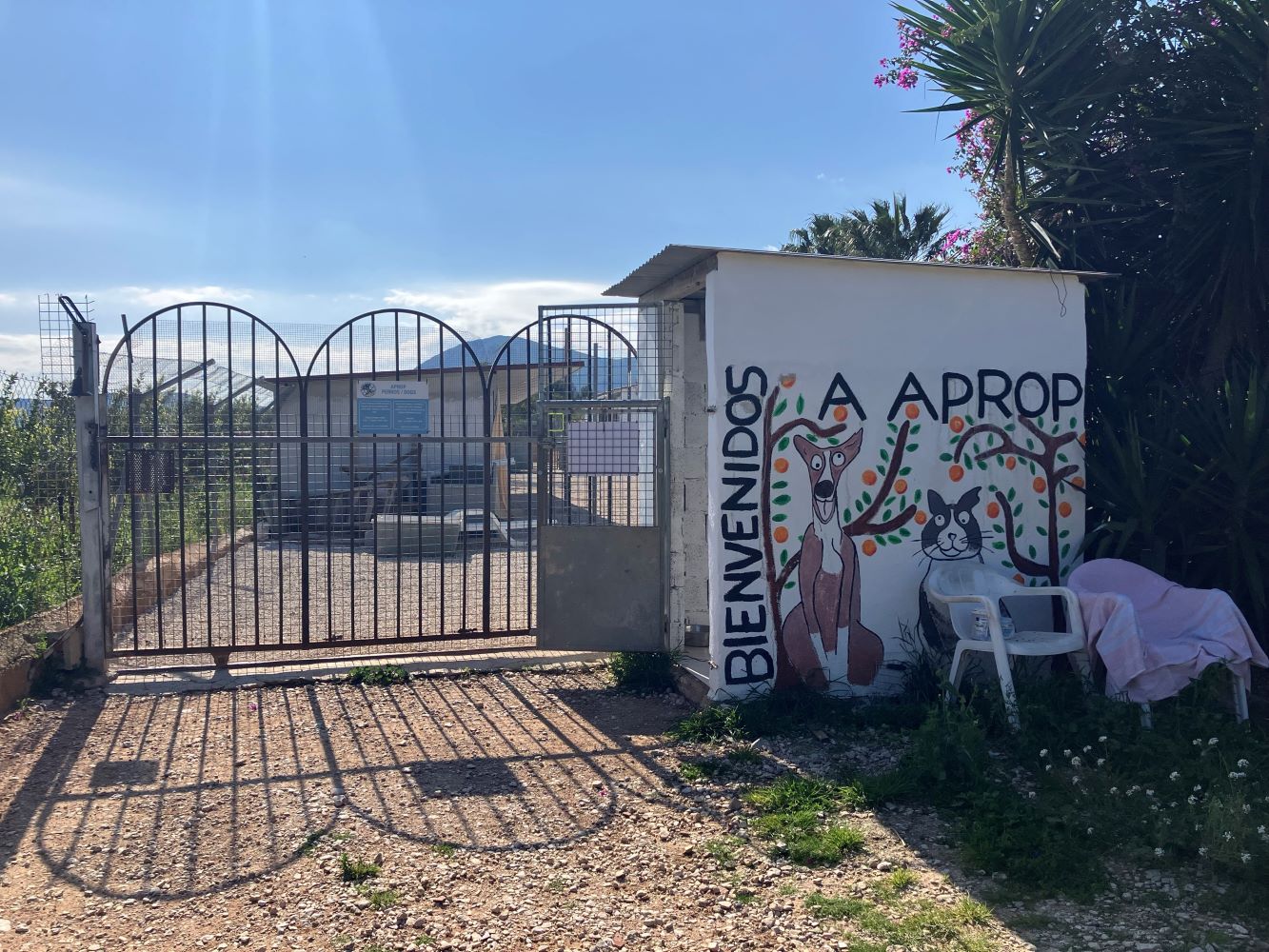
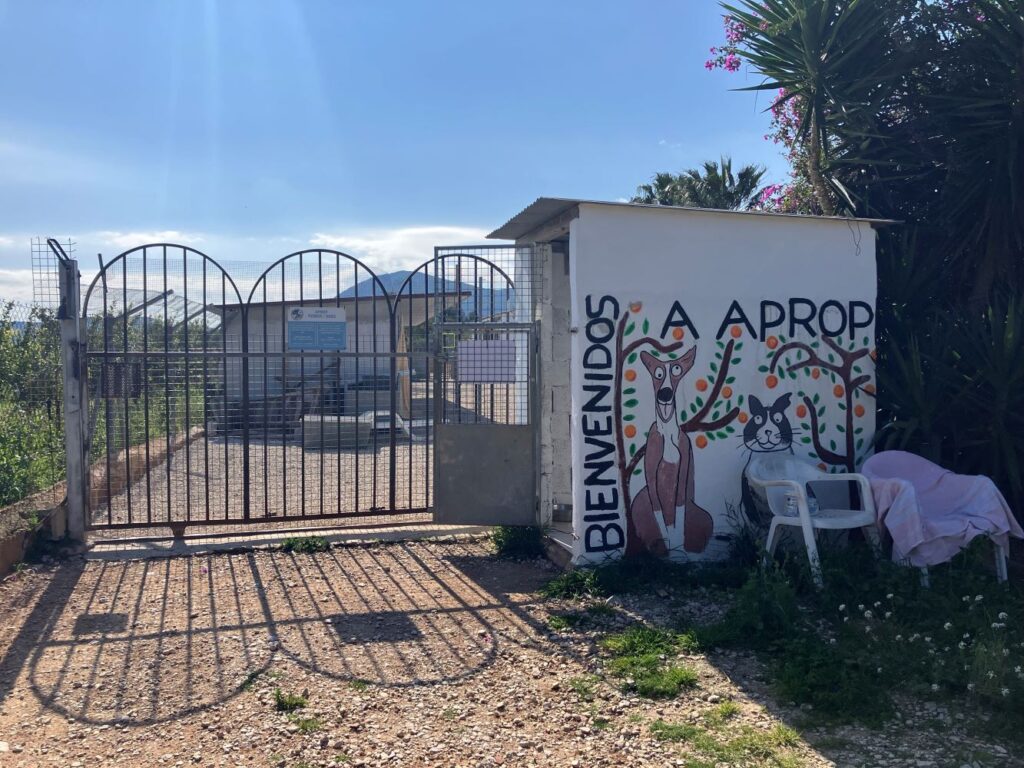
After thorough online research, I came across APROP Animal Shelter – Associació Protectora d’Animals de Pego, located in the Spanish town of Pego. I contacted Karlijn, the volunteer coordinator, who kindly responded and confirmed the possibility of joining their program. This opportunity excited me, and I decided to set off on a journey for new experiences and to explore the world of volunteering from a different perspective.
What is the APROP Animal Shelter in Spain?
History and Origins
APROP Animal Shelter, located in the picturesque town of Pego on the northern Costa Blanca coast, was established in 2017 as a non-profit organization focused on rescuing and caring for abandoned, abused, and lost dogs and cats from the surrounding area. In Spain, there is no national or regional organization systematically taking care of domestic animal welfare, making such initiatives extremely important. APROP Animal Shelter was created thanks to a group of volunteers from various nationalities who either live permanently in the area or participate in the program during their free time.
How the Shelter Operates
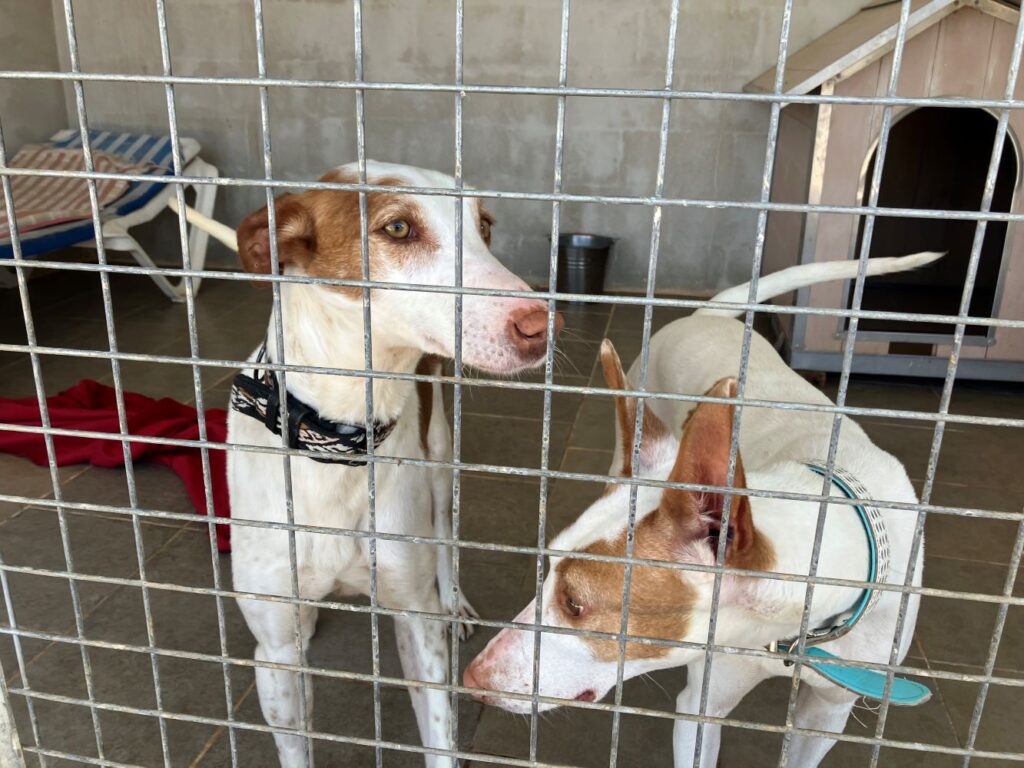
APROP relies entirely on volunteer work and donations from supporters. The shelter provides a safe haven for animals that are often sick, injured, or malnourished. These animals receive necessary medical care, rehabilitation, and love to prepare them for adoption into new homes. Volunteers handle daily tasks such as feeding, cleaning spaces, and walking dogs. Additionally, the shelter organizes various programs to promote adoption and raise awareness about animal protection.
The adoption program at APROP Animal Shelter in Pego is surprisingly successful.
Approximately 80% of rescued dogs are placed into new homes annually, mostly adopted in the Netherlands or the United Kingdom. Transporting a dog from southern Spain to the UK costs approximately 450 to 500 pounds.
The APROP shelter website does not provide an exact figure for the percentage of dogs adopted each year. However, after speaking with Martin, one of the volunteers from the UK, I got a good impression of the success of their adoption program. This program is led by a volunteer named Shona, who does an excellent job.
Approximately 80% of rescued dogs are placed into new homes each year. Most adoptions are to the Netherlands or the United Kingdom. The shelter’s main goal is rehabilitation and placing as many animals as possible into permanent and loving homes.
The APROP Volunteer Community in Spain
One of the unique features of APROP is its international community of volunteers, which brings together people with a shared passion for helping animals. The shelter not only gives animals a second chance at life but also allows volunteers to gain new skills, experience the culture of rural Spain, and create unforgettable memories. Pego is known for its rich history and traditional fiestas, making volunteering even more appealing for those seeking a connection between helping animals and exploring local culture.

A Day at the Dog Shelter
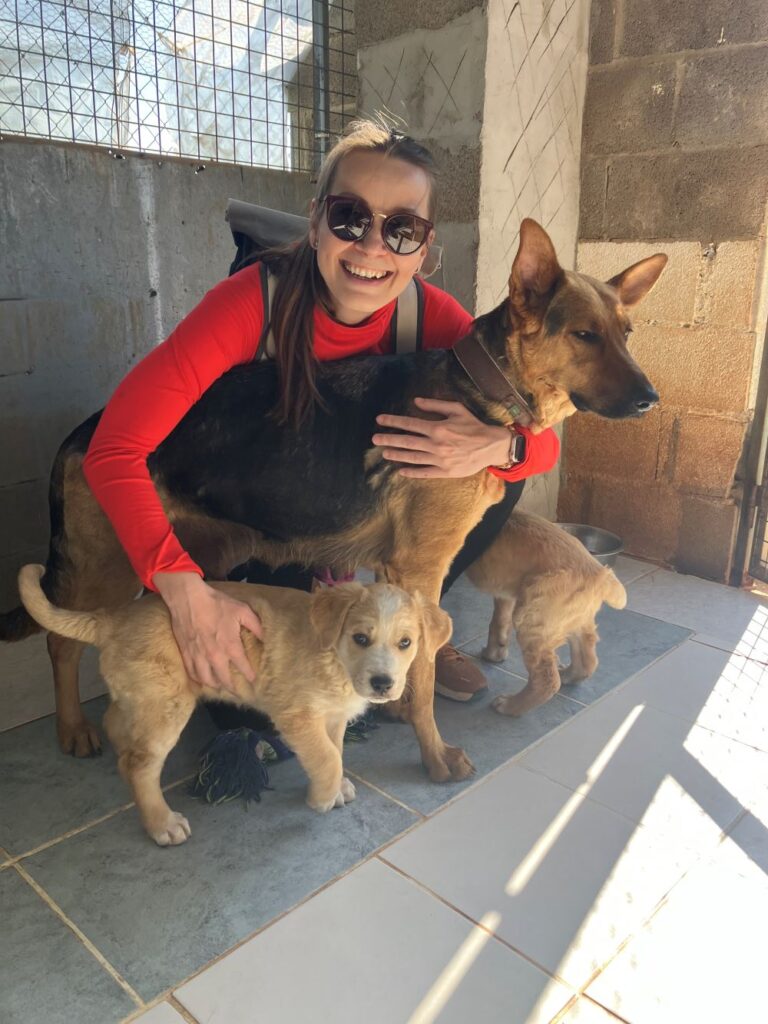
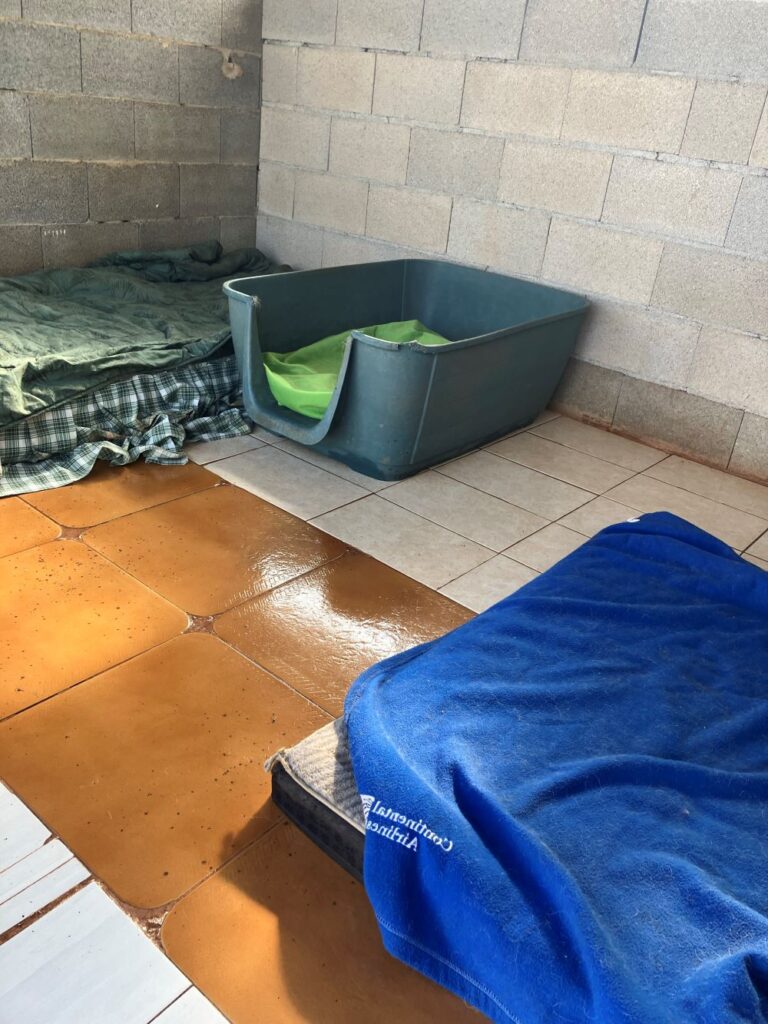
I woke up at half past six in the morning because my husband and I were staying in Oliva. We found amazing accommodation at El Sequer Casa Rural, but this meant more complicated logistics. Upon arriving at the shelter at 8:00 AM, we split into two teams – the cleaning team and the dog walkers. Cleaning was synchronized with dog walking. Dogs are kept in groups of up to three in their own kennel-run, which was cleaned during their walks.
Several things fascinated me:

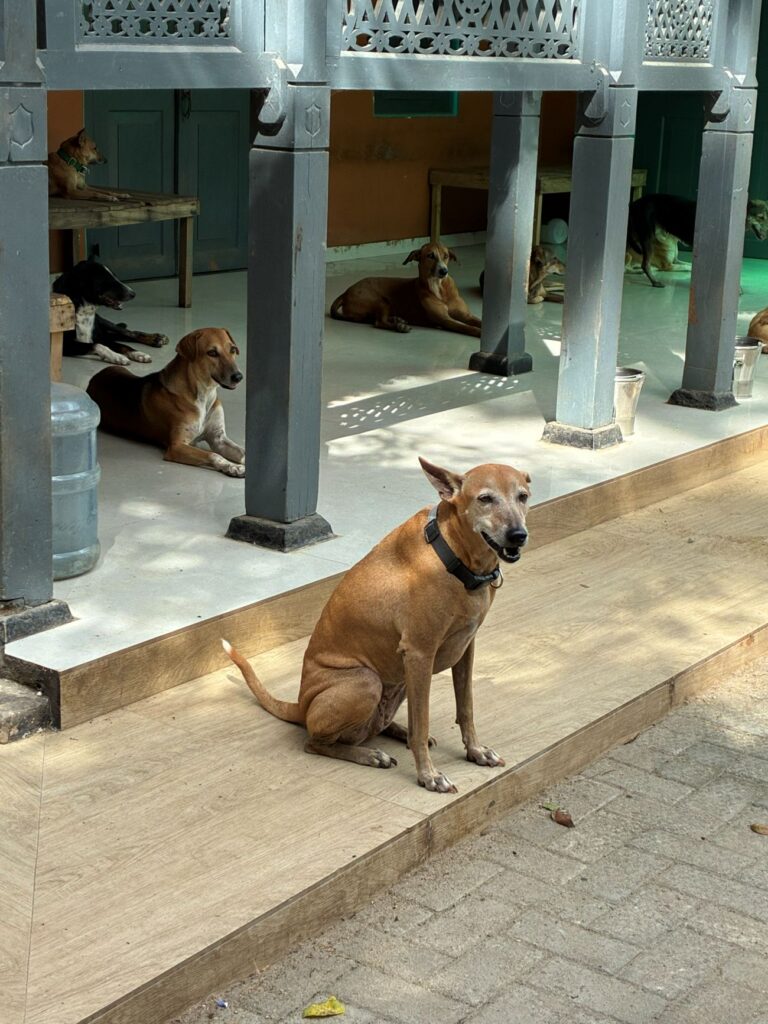
The shelter had only 25 dogs. While this was just right for the size of the facility, it was surprising compared to my experience at a shelter in Košice, which houses 200 dogs.

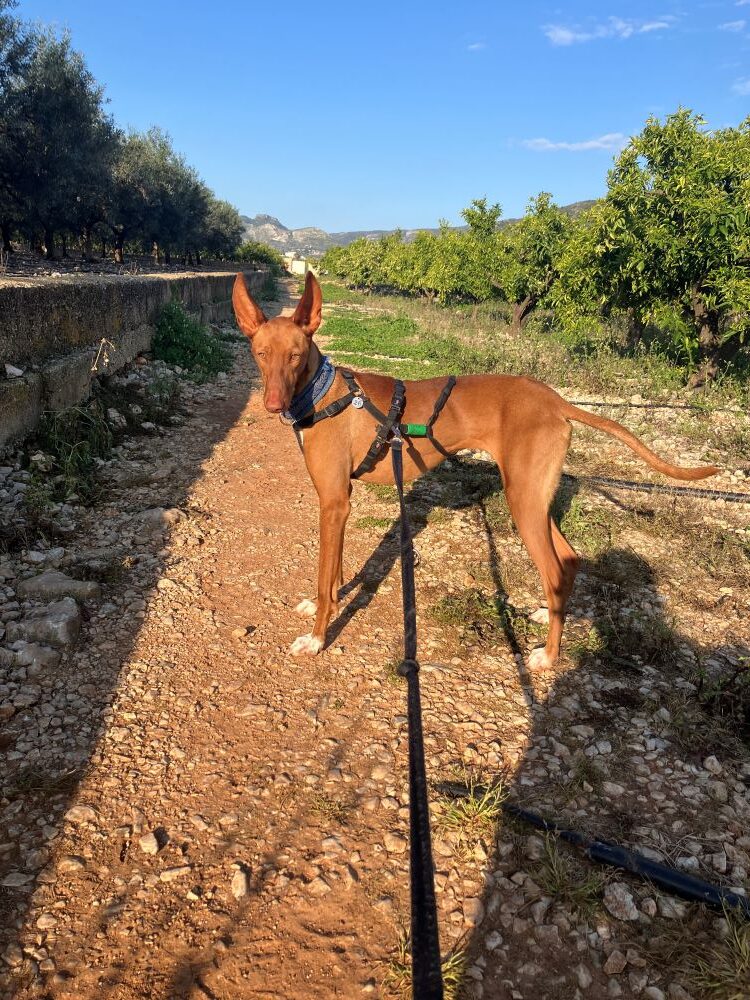
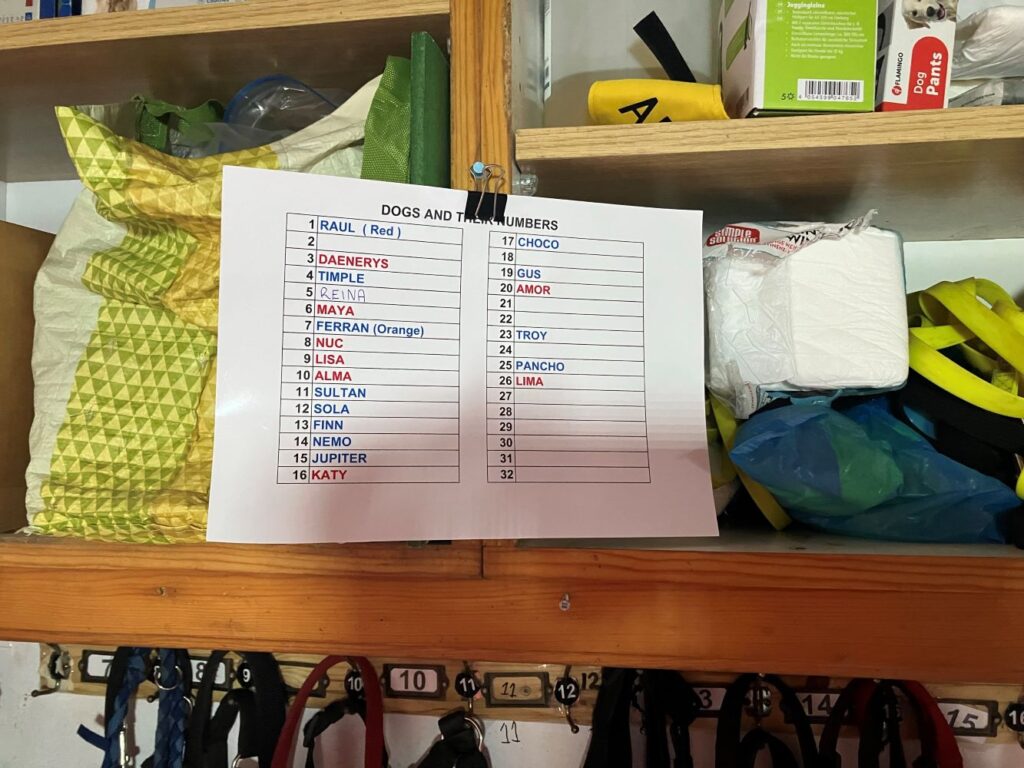
Excellent organization of dog walking! Volunteers worked with lists of dogs and schedules to track walks. Each dog also had its own harness and leash hung on a hook with its name and number. It was a very practical solution that sped up and simplified walking.

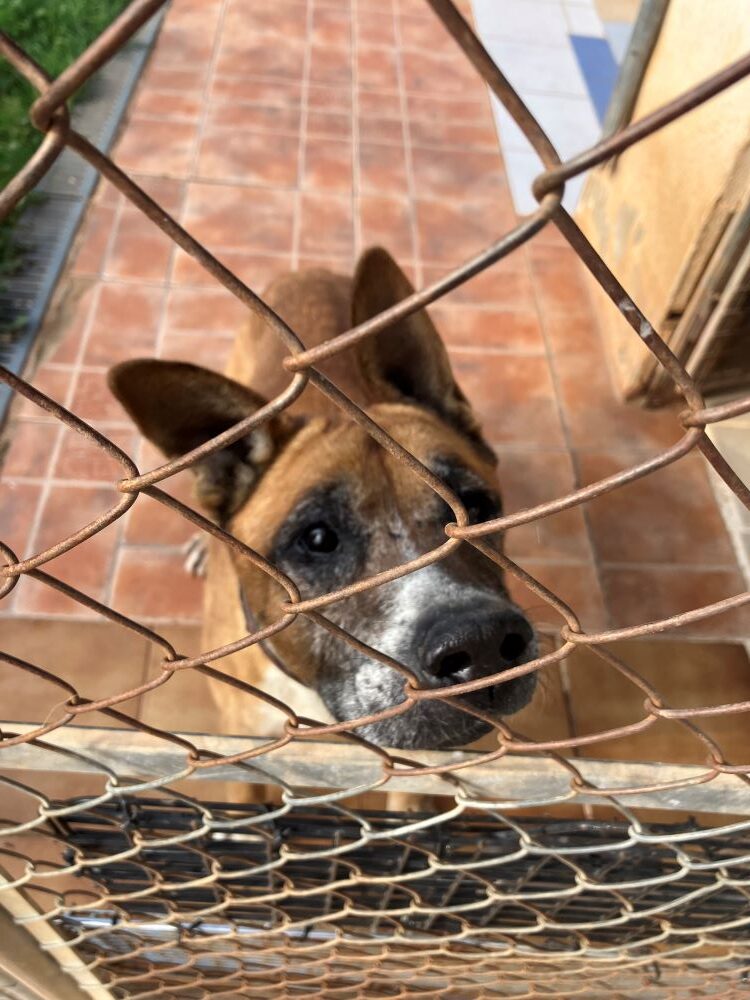
In a negative sense, I was shocked by how scared some of the shelter's residents were of people. I had never seen such frightened dogs in my life.
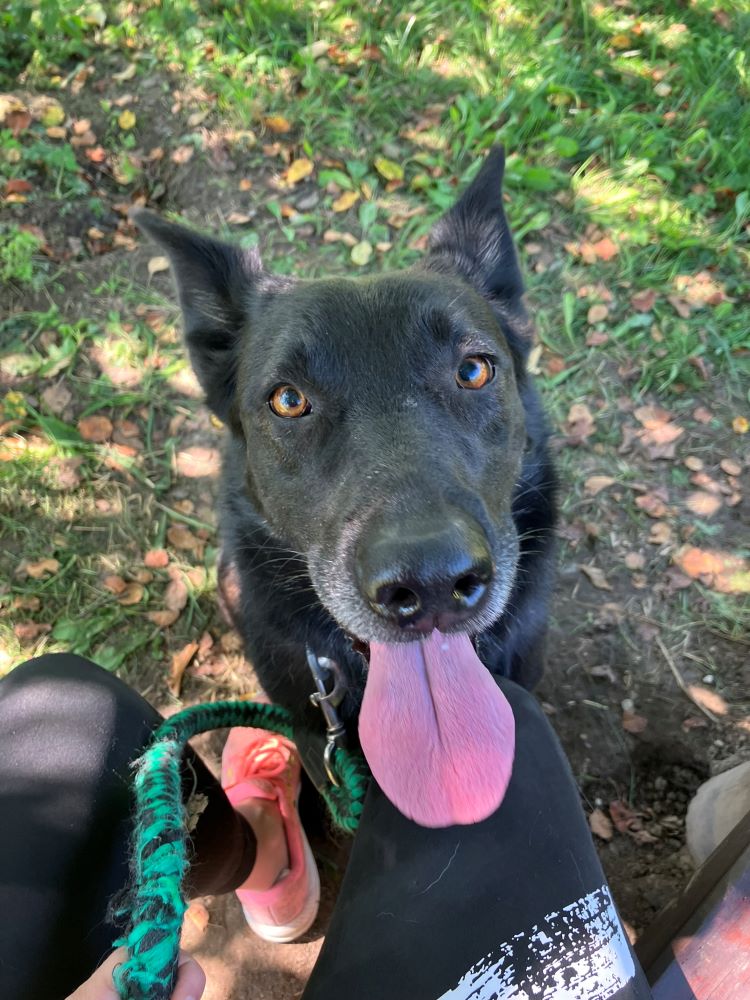
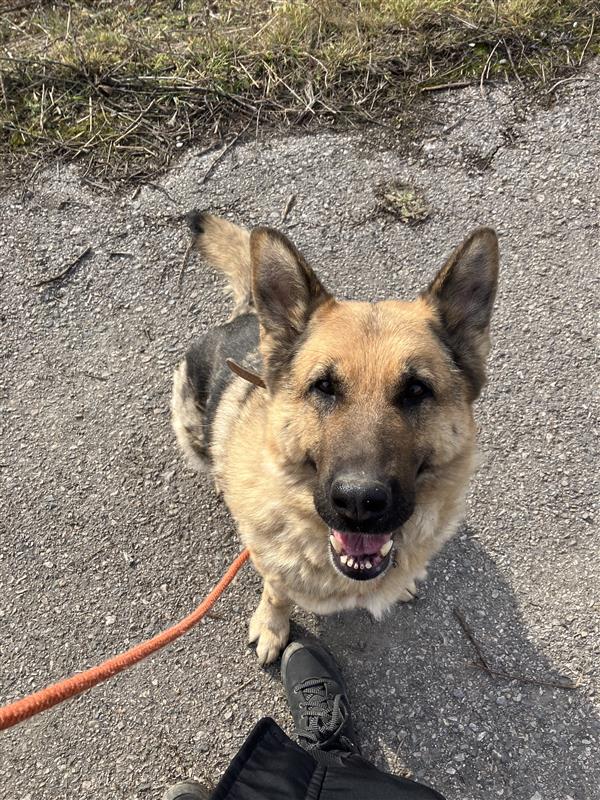
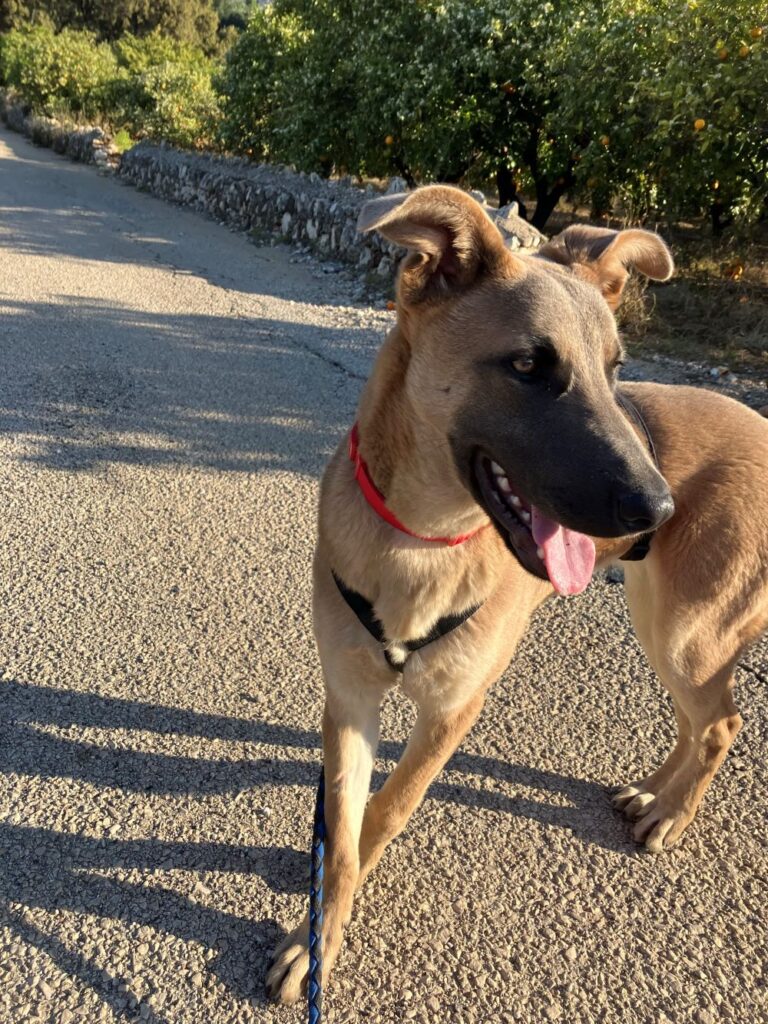
Most of my time was spent walking dogs, but towards the end of my stay, I also helped with cleaning. We walked the dogs around orange groves and among residential houses and gardens. Walking takes place twice daily in winter – morning and evening – but only in the mornings during summer due to high temperatures.
In my next blog post, we’ll take a closer look at some extraordinary dogs I had the chance to care for.
Faunastika Youtube Channel
Stay updated—have the newest posts emailed to you.