Sea Turtle Hatchery Centre Habaraduwa – Ethics Behind the Scenes of Tourism
At the turn of 2025 and 2026, we spent 17 days traveling across the lush tropical island of Sri Lanka. During this time, we frequently moved around and stayed in seven different accommodations, from simple guesthouses to comfortable hotels that gradually became our temporary homes. We visited the bustling capital Colombo, the majestic rock fortress Sigiriya, the former royal city of Kandy, the green hills and tea plantations around Nuwara Eliya, surfing beaches near Weligama, and the relaxing beach of Mirissa.
Sri Lanka and its wildlife
Amid all the sights and excursions, the animals became one of our biggest highlights. On our journeys, we encountered countless wild and domesticated creatures—from cows and dogs lounging right on the roads, to monkeys watching from treetops, to birds we had only known from documentaries. For Europeans accustomed to urban parks and a few forest species, this animal diversity was fascinating. It was precisely because of this that we decided to visit a place trying to mitigate human impact on some of the ocean’s most fragile inhabitants—the sea turtle rescue station SEA TURTLE HATCHERY CENTER.
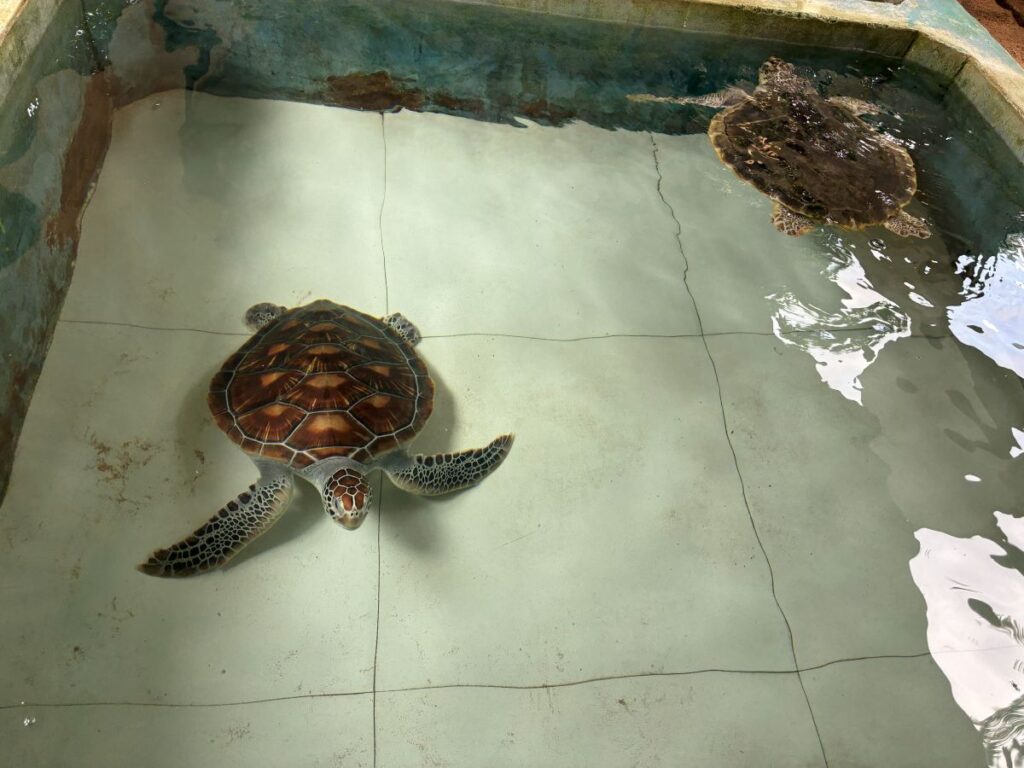
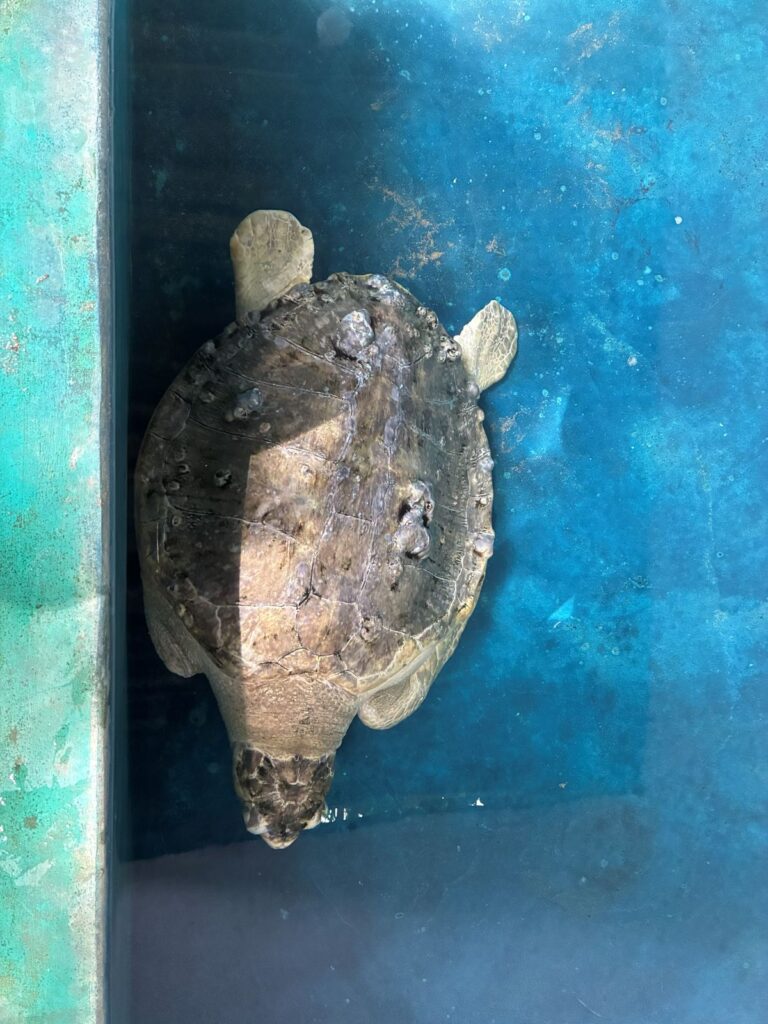
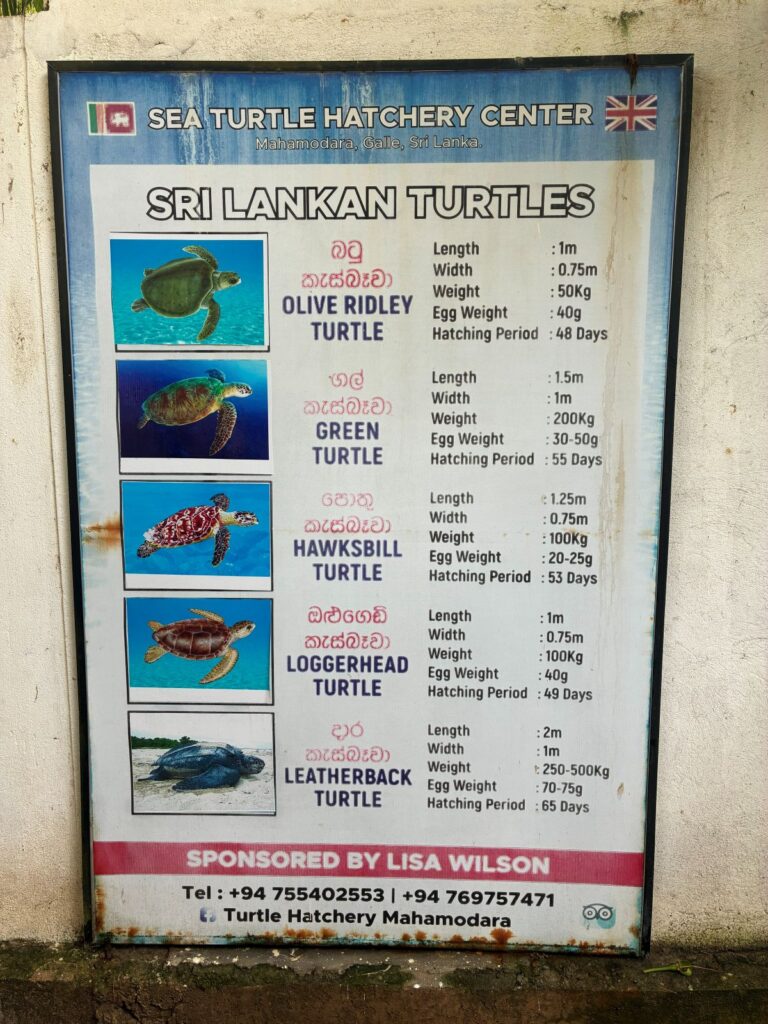
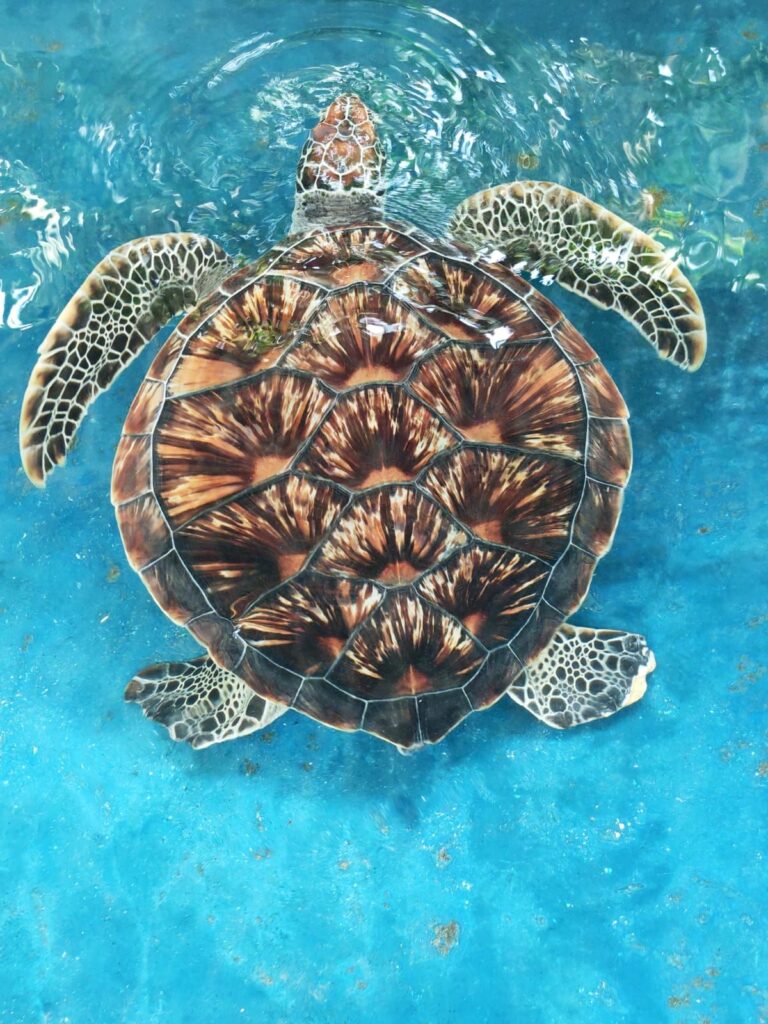
Sea Turtle Hatchery and Rescue Center
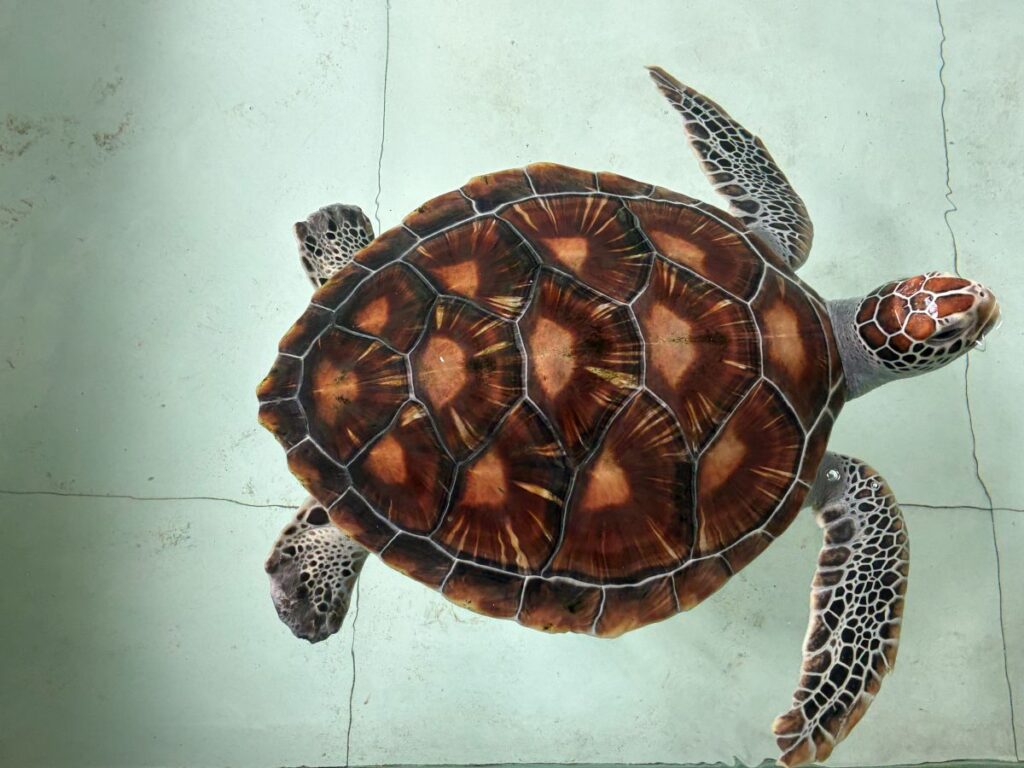
Sea Turtle Hatchery & Conservation Center is located in Habaraduwa on the southern coast of Sri Lanka, in an area rich in sea turtles such as the green turtle (Chelonia mydas), olive ridley (Lepidochelys olivacea), loggerhead (Caretta caretta), and leatherback (Dermochelys coriacea). Right from the start, I must admit that I regret the absence of information about the founder—no name is mentioned on the website or in available sources. Nevertheless, the center presents itself as a local community facility with a family focus, operating as a unique “Turtle Treatment Zone”—the first in the country specializing in the rehabilitation of injured turtles.
Activities at Sea Turtle Hatchery & Conservation Center
The main mission is comprehensive protection of endangered species:
- Rescuing eggs from predators and poachers
- Treating injured individuals caught in fishing nets or harmed by human activity
- Safe return to the ocean after rehabilitation
These activities combine turtle conservation with visitor education, aiming to contribute to the preservation of marine biodiversity on Sri Lanka’s coast.
Our Experience and Good Feelings from the Turtle Conservation Center
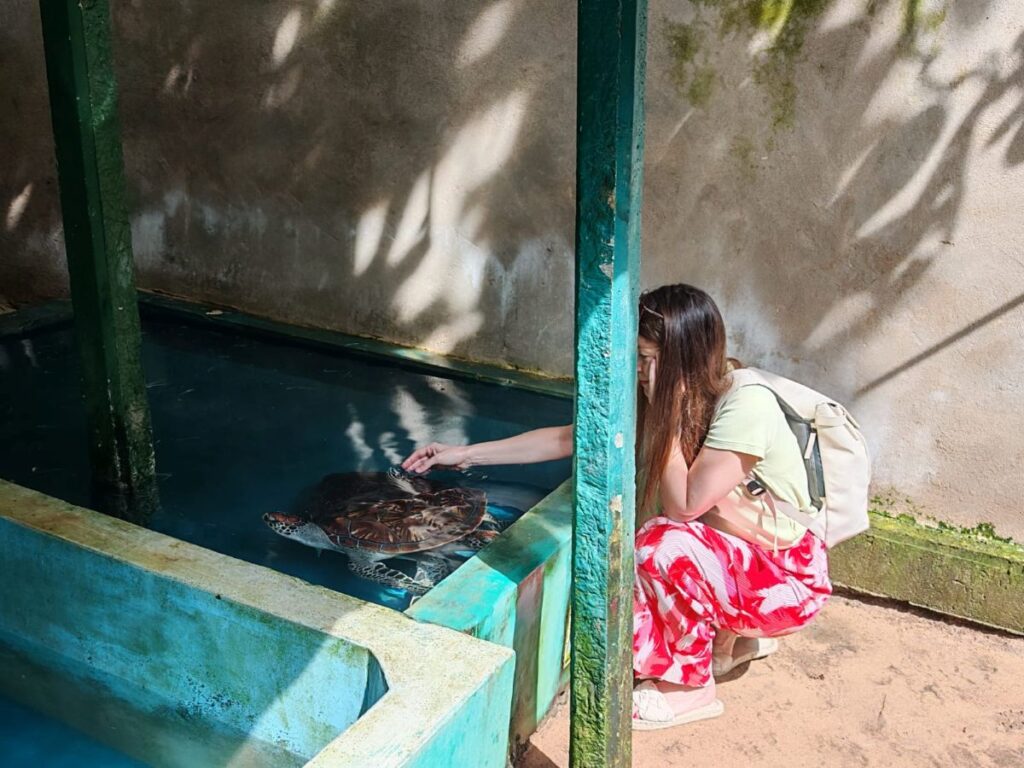
When we entered the center, we were greeted by a very friendly young guide—a local Sri Lankan girl with surprisingly good and understandable English. All four of us paid the standard tourist entrance fee, and she immediately explained the rules for interacting with the turtles. This was followed by a short and engaging tour with an explanation of their life cycle, where we learned that the center functions as a treatment facility for turtles injured by fishing nets or other human interventions.
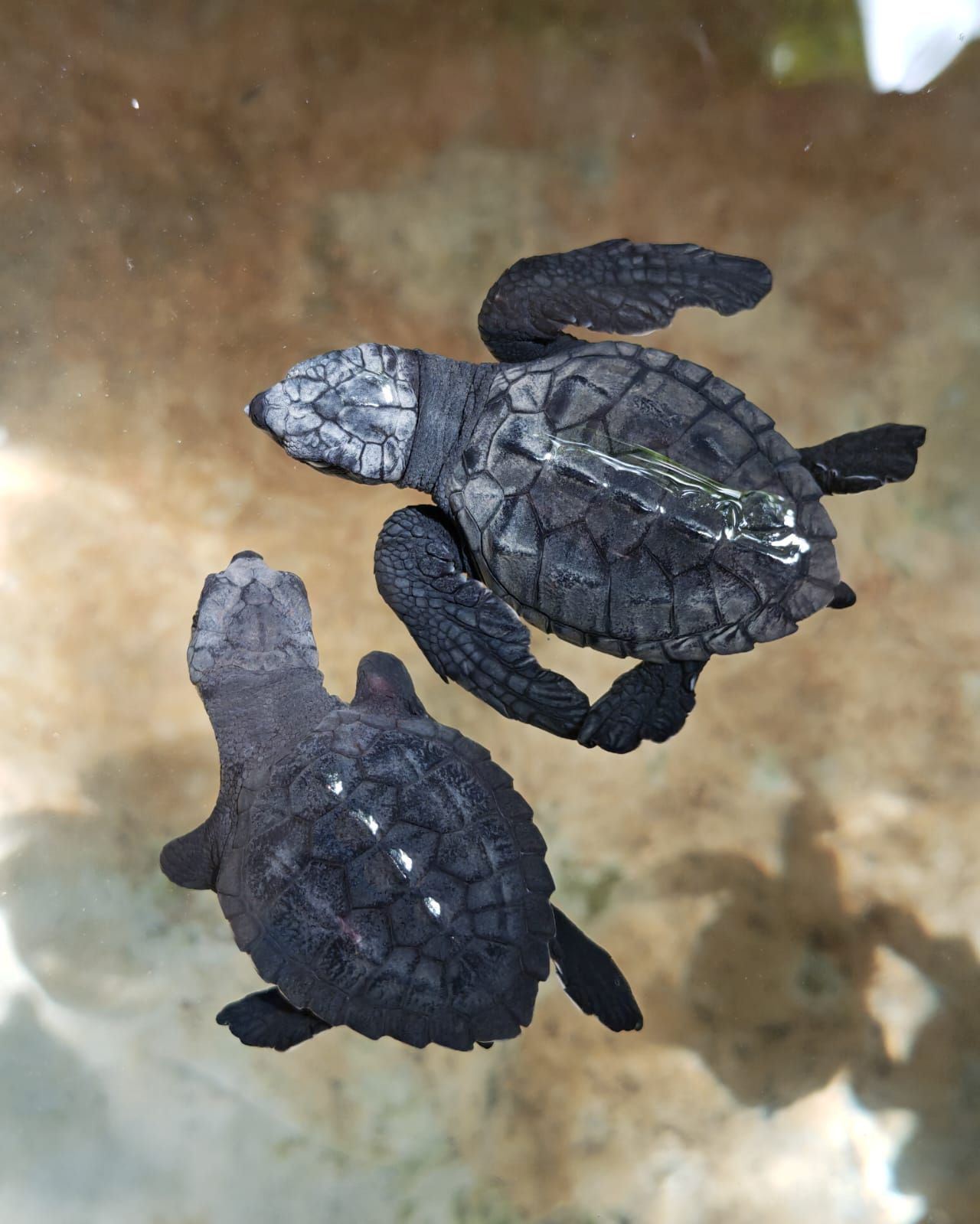
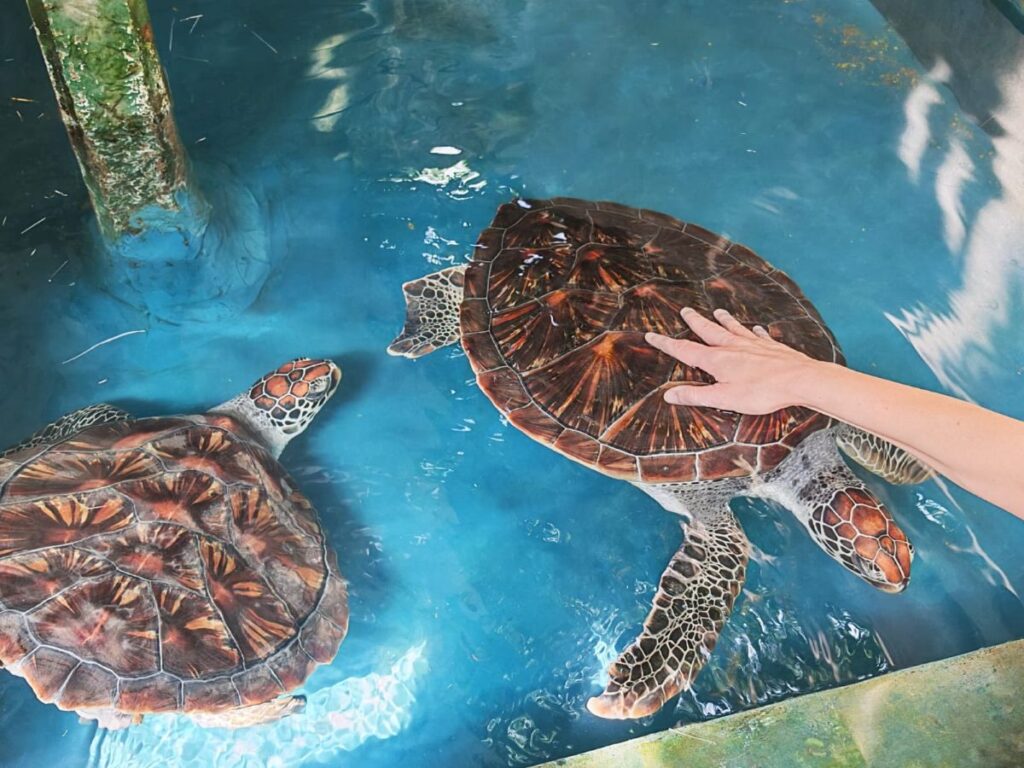
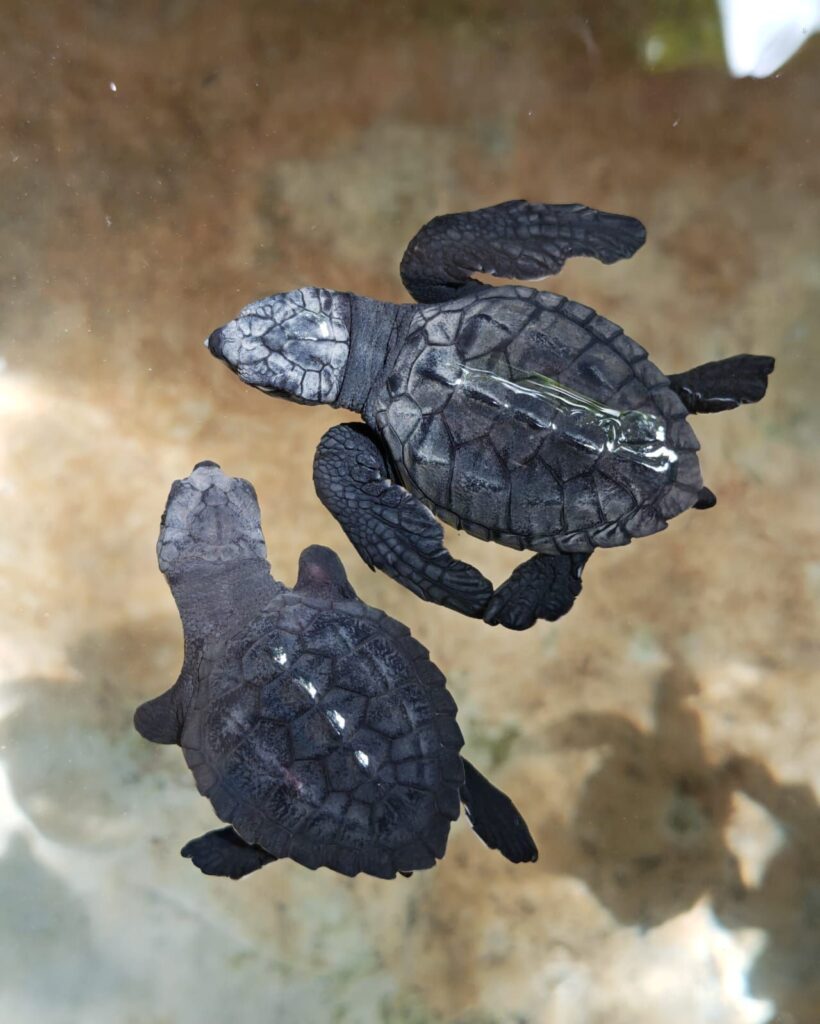
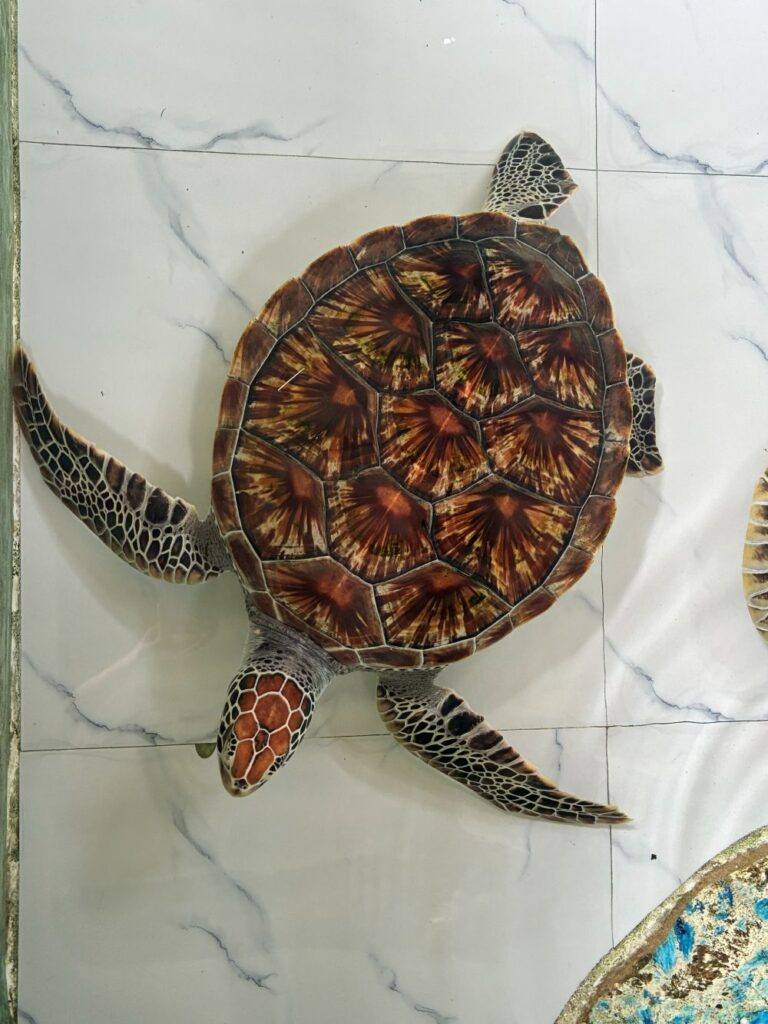
The guide showed us both hatchlings and adult turtles, which we could carefully photograph (without flash) and even touch—some seemed calm, while others swam wildly in the tanks, as if they couldn’t wait to fully recover and return to the sea. It was pleasant to sit quietly and watch their elegant movements and regular surfacing for air. The staff was friendly and professional, and the place was clean, which we appreciated—reviews confirmed this. For us, it was an emotional moment to see how tourism can support real nature conservation, including beach cleanups and local education.
Lack of Transparency
Unfortunately, during visits to various national parks, eco-parks, and animal rescue centers in Sri Lanka, I often had serious doubts about the ethics of their operations. The income from tourism is a strong incentive that tempts locals to prioritize profit over genuine care.
This is why I am concerned that information about the founder or the specific people behind the center is not publicly available anywhere. The lack of transparency raises unnecessary doubts and undermines trust in their mission.
Studies on JRTM.org and a Sponsor from Switzerland
In any case, I tried to find reliable information. In a study published on the responsible tourism portal “Sustainable Management Practices of Turtle Hatcheries in Sri Lanka as Premier Tourist Attractions” (Pattiyagedara et al., 2025), which analyzes the sustainable management of turtle hatcheries on the southern coast of Sri Lanka as tourist attractions, the Habaraduwa facility is explicitly mentioned. The study uses a qualitative approach with interviews of 22 stakeholders—hatchery managers, tourists, and service providers—and content analysis to assess the balance between turtle conservation and tourism.
Additionally, I came across a specific supporter: the Swiss company CEMCON AG, which has been financing part of the center’s operational costs since 2022. Their website even states that the director, Dr. Hans Wilhelm Meyer, personally visited the facility, which adds credibility. These facts at least partially compensate for the lack of local transparency.
I Recommend a Visit, but with Caution
Visiting the Sea Turtle Hatchery & Conservation Center in Habaraduwa was one of our most unforgettable experiences on the island—seeing injured turtles on the road to recovery and contributing to their protection is something that belongs on a Sri Lankan holiday. Despite doubts about transparency and the ethics of many similar facilities, positive reviews, academic support, and contributions from Swiss CEMCON AG gave us confidence that tourism here at least partially serves a good cause. If you are planning a holiday on the southern coast, definitely consider a visit—just remember to behave responsibly.
More about Sri Lanka soon…
Are you looking for an animal shelter, sanctuary for farm animals in Europe? Here are some tips:

https://faunastika.com/index.php/meet-the-residents-of-the-dog-shelter-in-spain-aprop-pego/

https://faunastika.com/index.php/practical-volunteering-what-we-experienced-during-our-second-visit-to-the-horsesanctuary-domov-pro-kone/

https://faunastika.com/index.php/how-was-my-week-as-a-volunteer-at-tenerife-horse-rescue/
Faunastika Youtube Channel
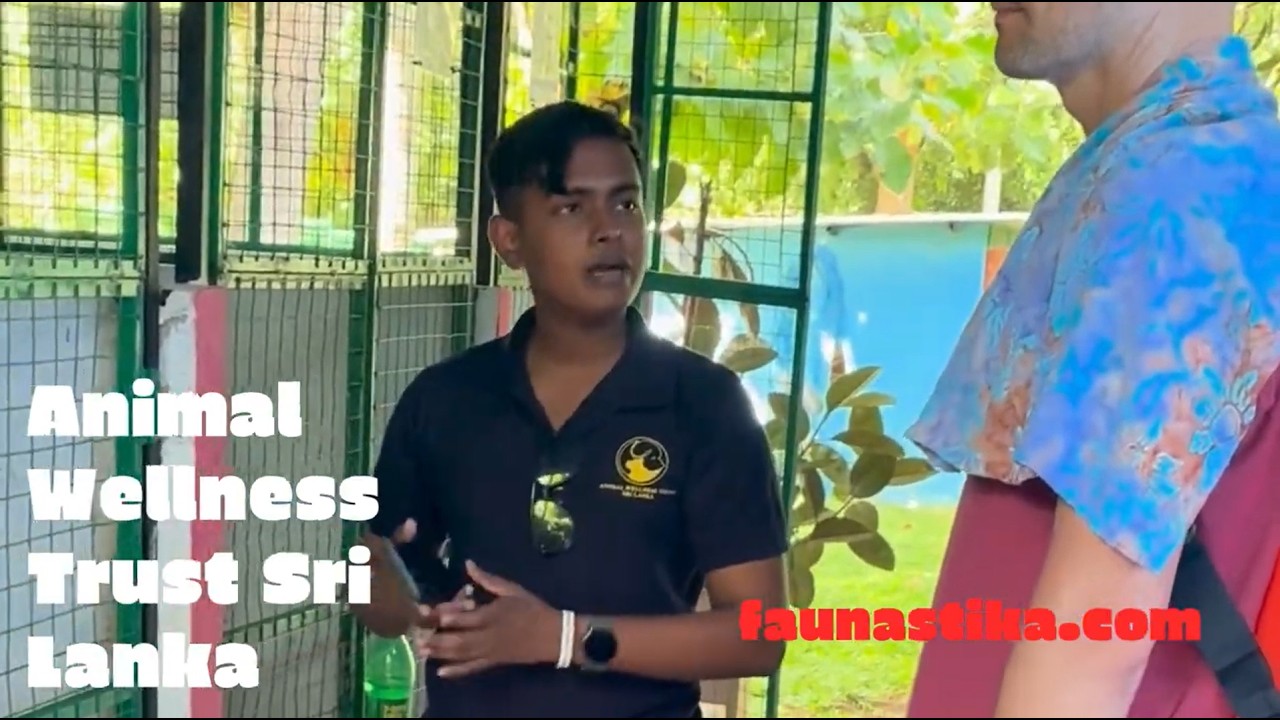
A Visit at Animal Wellness Trust Sri Lanka: Saving Stray Dogs since 2017
See how every donation, volunteer, and visitor makes a difference. Whether it’s through financial support, hands-on help, or simply spreading the word, you too can be part of this life-changing mission.
🔗 Want to learn more? Visit my blog for the full story, photos, and ways you can help:
👉 [faunastika.com/index.php/animal-wellness-trust-sri-lanka-a-sanctuary-changing-the-lives-of-hundreds-of-dogs/](https://faunastika.com/index.php/animal-wellness-trust-sri-lanka-a-sanctuary-changing-the-lives-of-hundreds-of-dogs/)
💙 Support the shelter:[animalwellnesstrust.org](https://www.animalwellnesstrust.org/)
🐾 Follow my journey for more stories on animal welfare and ethical travel.
#AnimalRescue #SriLanka #StrayDogs #AnimalWellnessTrust #CompassionInAction #travelforgoodShow More




Stay updated—have the newest posts emailed to you.