Real Celebrities: Volunteers Who Save Frogs During Their Migration Near Ružín
Introduction: A Story That Began During a Yoga Weekend
Sometimes the most unforgettable experiences happen completely unexpectedly.
Mine began during a relaxing yoga weekend in Košice, led by my favourite teacher Petr Mišík. We were staying at Penzión Lesanka, surrounded by forests, calm, and the water surface of Ružín. After Saturday’s lessons we had a two‑hour break, so my friends and I went for a short walk.
We had no idea that within minutes we would come across a group of people spending their free time in a way that is quiet — and yet incredibly important.
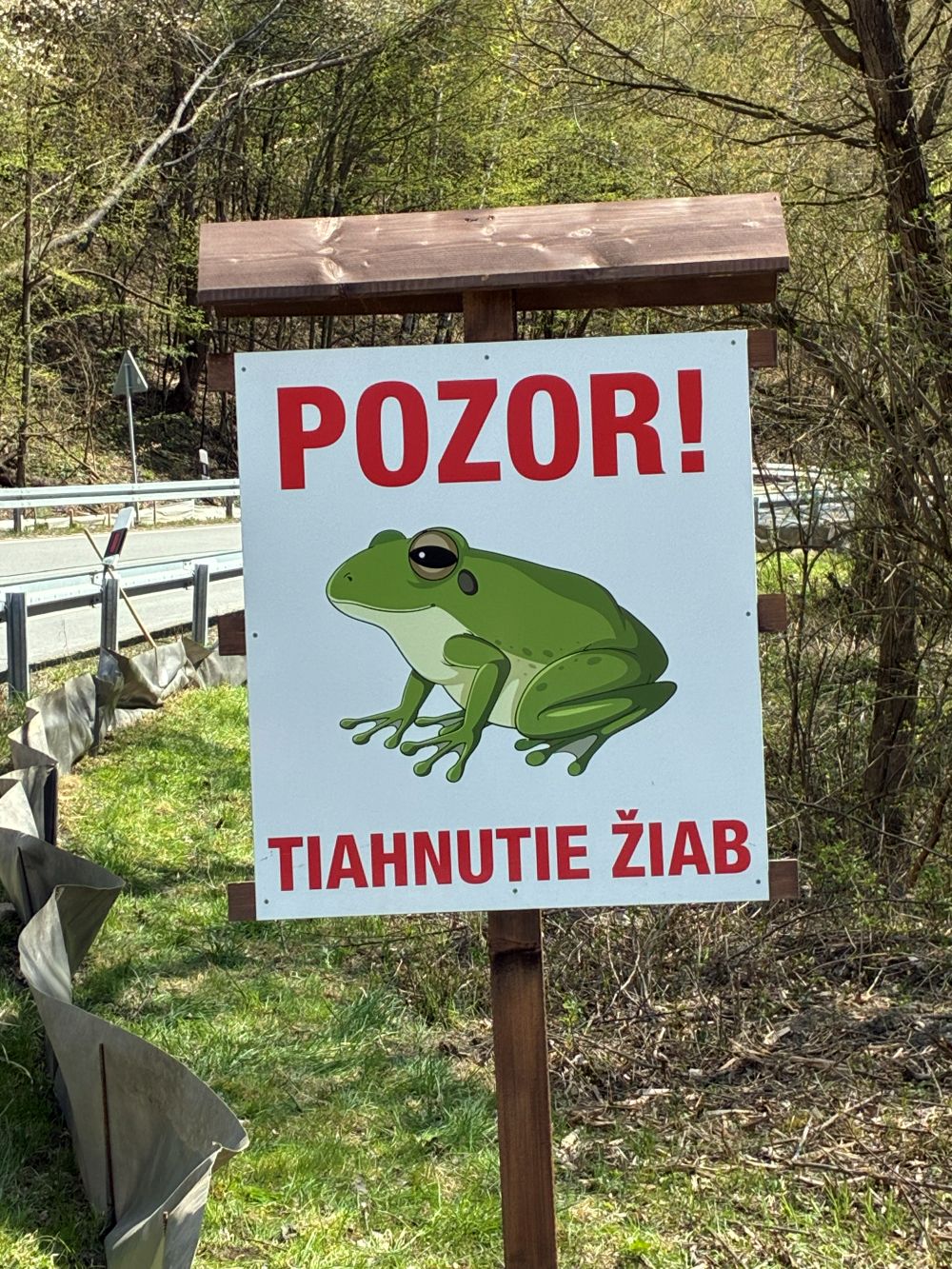
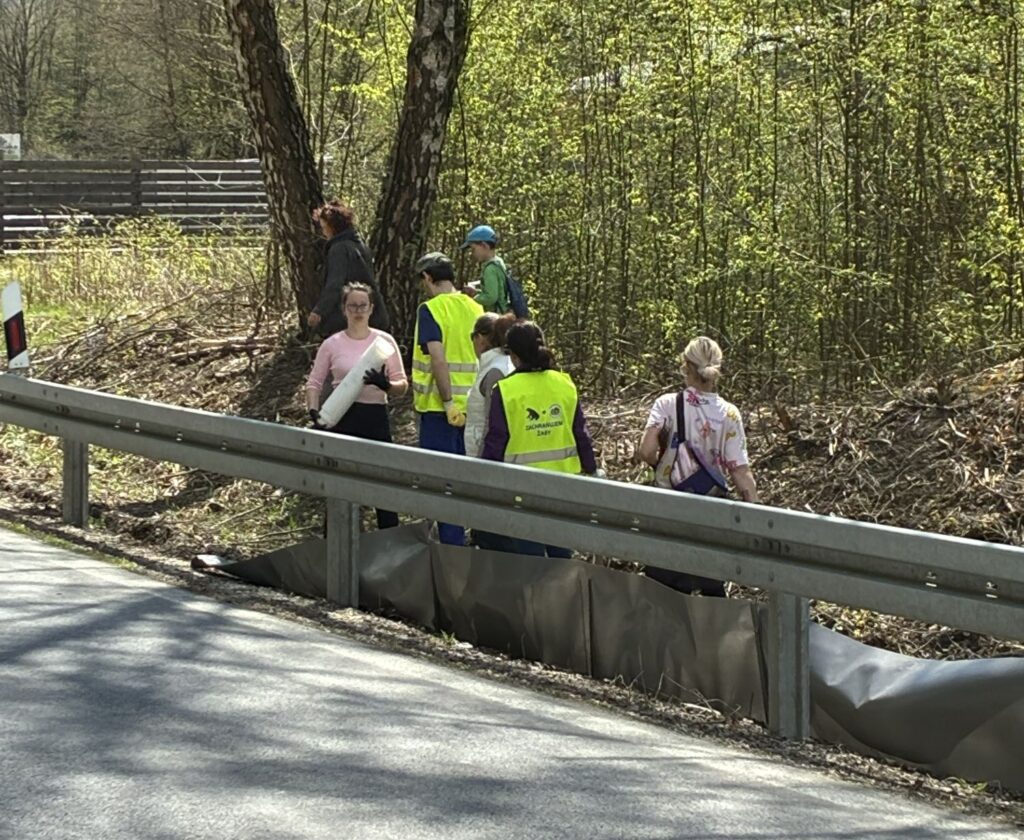
By the road running along the Ružín reservoir, we saw volunteers building barriers and digging small pits to save frogs migrating from the forest to the water.
And so a meeting happened — one that deserves to be told.
Why Frogs Migrate — and Why They Need Help
Every spring, when temperatures rise and wet weather arrives, frogs and other amphibians leave their winter shelters and head toward bodies of water where they reproduce.
According to conservationists, this is the most critical period of their lives, because migration routes often cross roads where thousands of individuals die under car wheels every year.
The most common migrating species around Ružín are:
- common toad
- common frog
- moor frog
- less frequently European tree frog, yellow-bellied toad or great crested newt
Amphibians are a key part of the ecosystem — they regulate insect populations and serve as food for birds and mammals. Their decline would disrupt the biodiversity of the entire region.
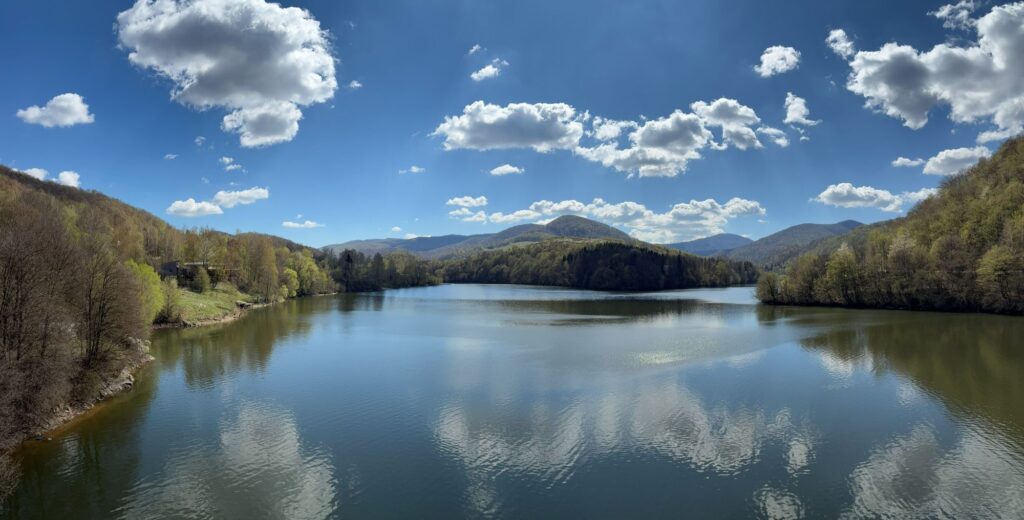
Ružín: A Place of Frog Migration
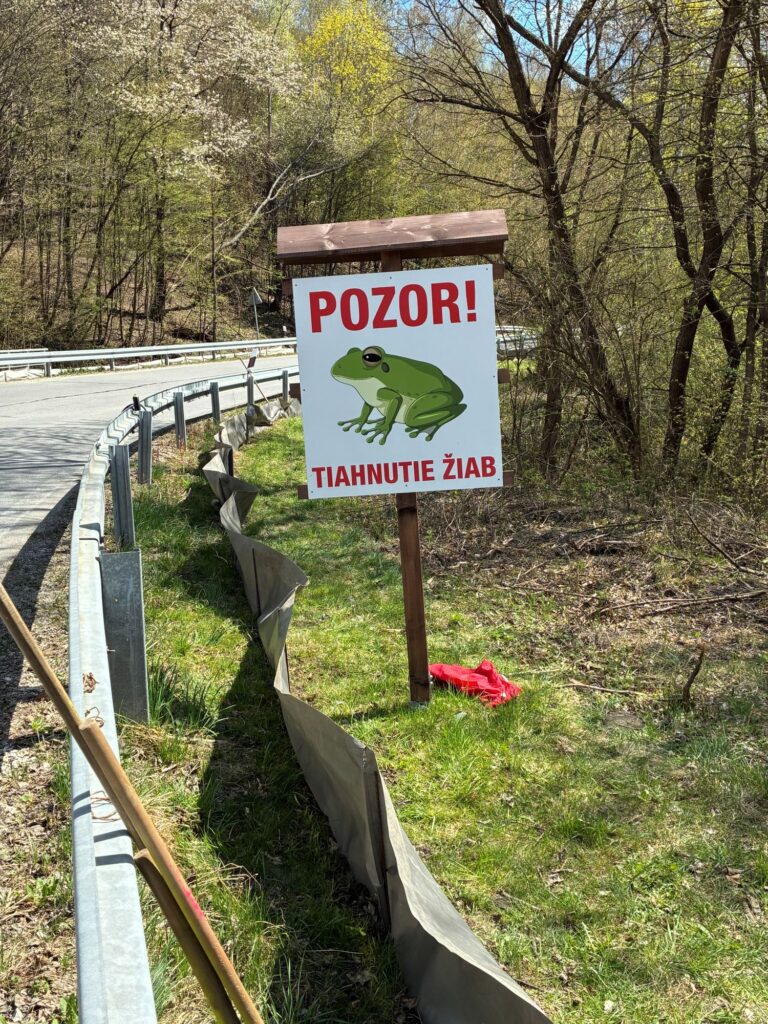
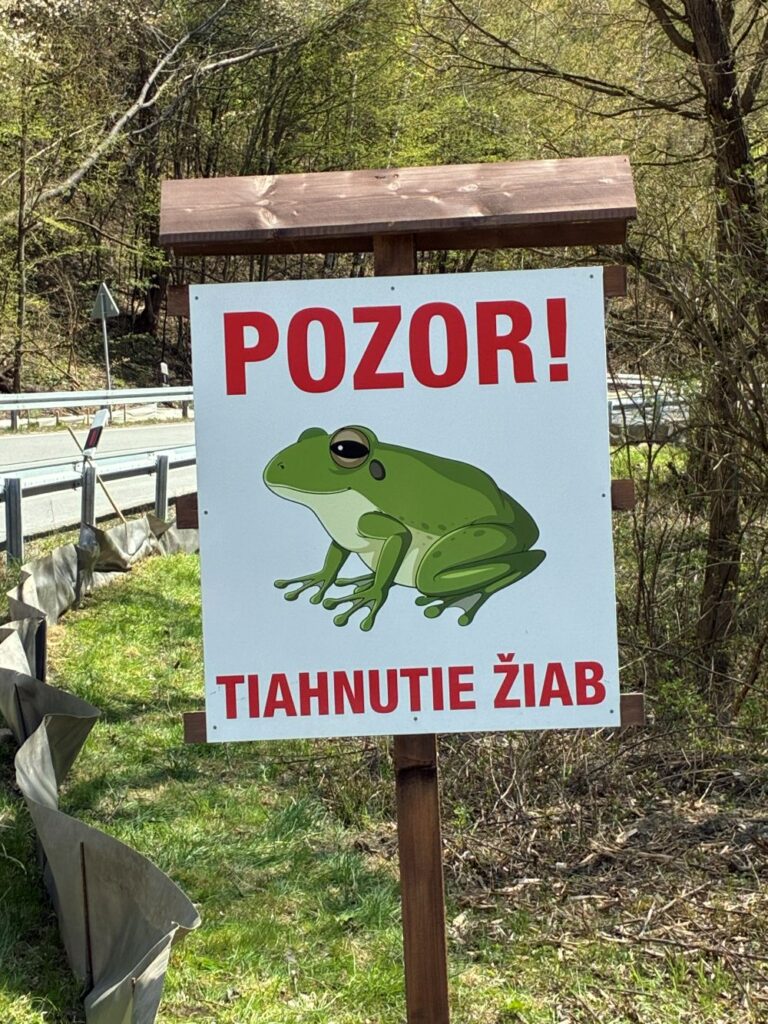
Rescue efforts have been taking place around Ružín for more than ten years. The Košice City Forests, together with volunteers, install temporary plastic barriers every spring along critical sections of the road, especially between the Zlatník campsite and the Ružín bridge.
These barriers work in a simple but effective way:
- they prevent frogs from entering the road,
- they guide them into pitfall traps,
- volunteers then collect them and carry them across the road to the water.
The transfer takes place in the morning, evening, and at night, depending on how intense the migration is.
This way, they manage to save thousands of individuals.
Frogs on the Move: A Volunteer Group That Stands Together
Volunteers at Ružín organize themselves through the Facebook group Žaby migrujú Ružín, where they coordinate shifts, share photos and videos, and report the current situation.
It is a small but very active community of people who decided that even tiny creatures deserve protection.
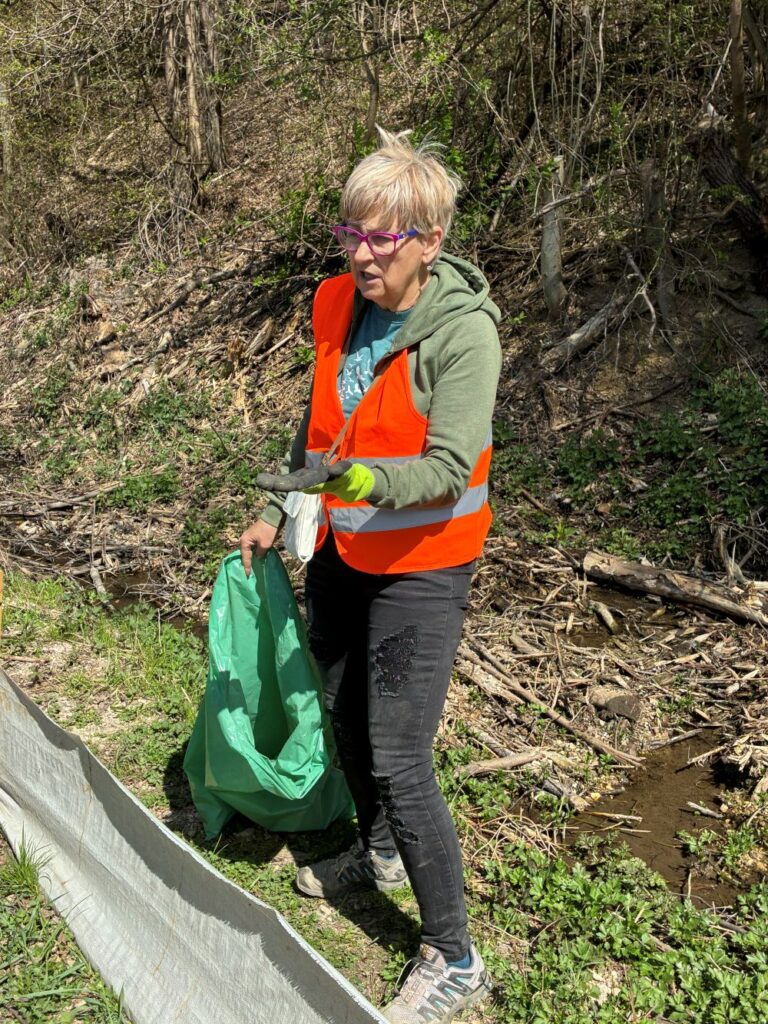
When we came closer, we saw about ten people in reflective vests, with buckets, gloves, and shovels.
Some were building new sections of barriers, others were checking the pits, and others were carrying frogs across the road.
They worked with focus and a clear mission to help nature.
And that was when we started talking with Judita Tomasková, one of the volunteers.
Her words captured on video added even more depth to the moment.
A Voice from the Field: Judita’s Words
Judita explained to us that the migration is very sensitive to weather conditions:
“When it got colder, it was 2–3 degrees. We didn’t go out to rescue them; we knew with 100 percent certainty that we would come here for nothing.”
At these temperatures, frogs hardly move at all — they conserve energy and wait for warmer weather.
But once the temperature rises, the migration resumes and volunteers must be ready.
She also showed us how the barrier system works:
“These are the barriers for the path to the water, and these are the barriers for the return path.”
We were curious whether the female frog returns the same evening.
Judita shook her head:
“No, no. I think she stays by the water for about a week or two.”
Then she added a detail that many people don’t know at all:
“The female is usually bigger, rounder, because she needs space in her belly for the eggs. Males are slimmer. When the pairs start coming, we know the migration has begun.”
Simple sentences from a woman who comes to Ružín several times a week during spring, giving up her comfort to protect nature, are incredibly warming and full of hope.
Do You Want to Help Too? Join In.
If this story touched you, you can become part of this beautiful initiative. Volunteers at Ružín welcome any help — whether you come for an hour, an evening, or simply share the information further.
👉 Just contact the group Žaby migrujú Ružín on Facebook. There you’ll find current dates, needs, and updates on where the migration is happening.
Sometimes just a few minutes, a few steps, and a few frogs carried across the road are enough to do something meaningful in your life. 🍀
Stay updated—have the newest posts emailed to you.